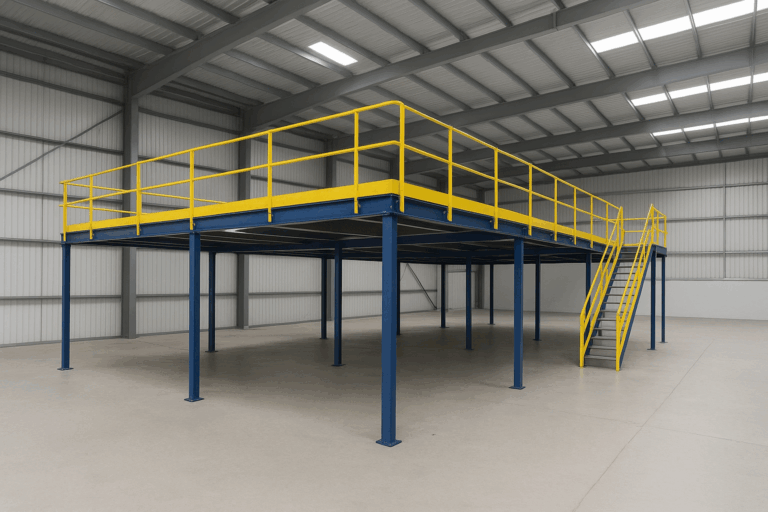
Grading and Grating: Essential Solutions for Safe, Durable, and Efficient Infrastructure
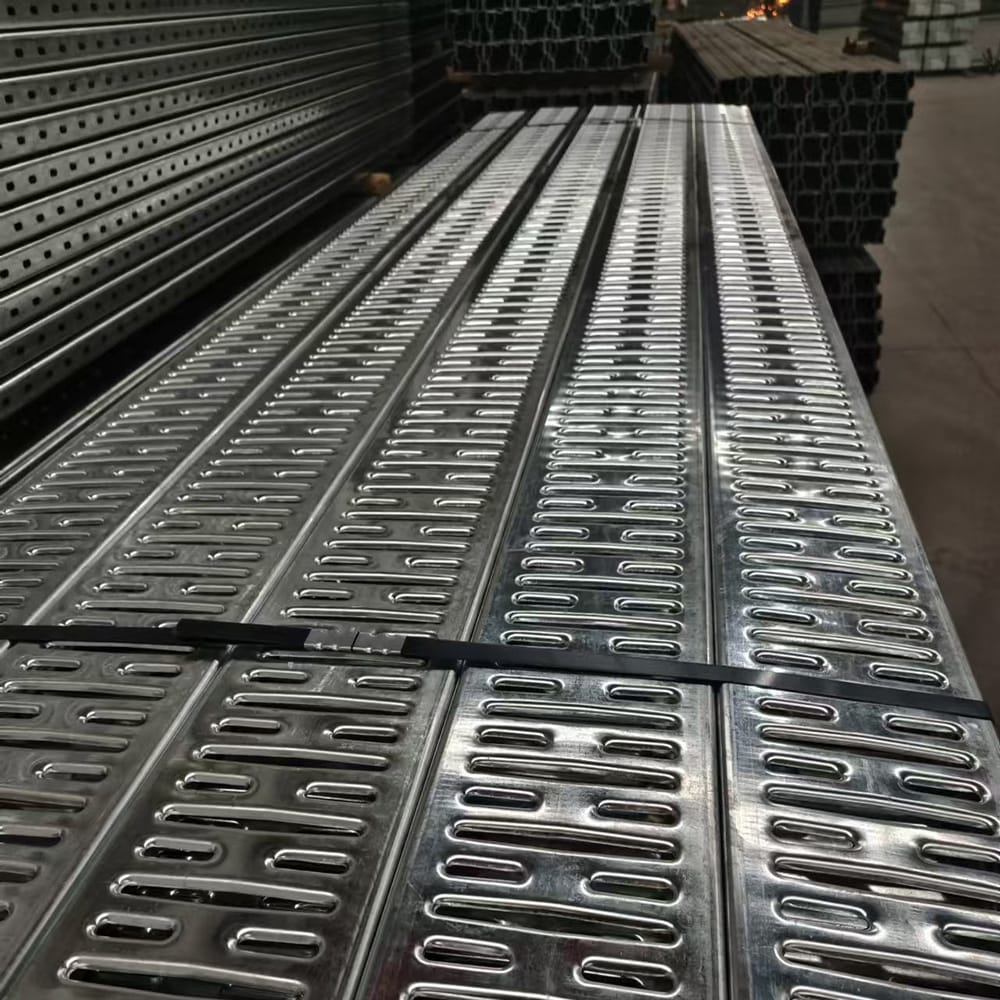
Grading and grating play a vital role in modern construction, industrial facilities, and infrastructure development. These two elements are widely used to improve safety, ensure proper drainage, and support heavy loads in commercial and industrial environments. Whether it is a warehouse floor, factory walkway, drainage system, or construction site, grading and grating provide strength, functionality, and long-term reliability.
What Is Grading?
Grading refers to the process of leveling, shaping, and preparing a surface to ensure proper slope, stability, and water flow. It is commonly used in construction sites, roads, landscaping projects, and industrial flooring. Proper grading helps prevent water accumulation, reduces soil erosion, and improves the durability of the foundation.
In construction, grading is a crucial step before installing concrete, paving, or flooring systems. It ensures that the base is even and strong enough to support structures, vehicles, and equipment. Without proper grading, surfaces may crack, shift, or become unsafe over time.
Grading is also important for drainage systems. A well-graded surface allows water to flow smoothly away from buildings, preventing flooding and structural damage. In industrial facilities, proper grading supports heavy machinery and enhances operational safety.
What Is Grating?
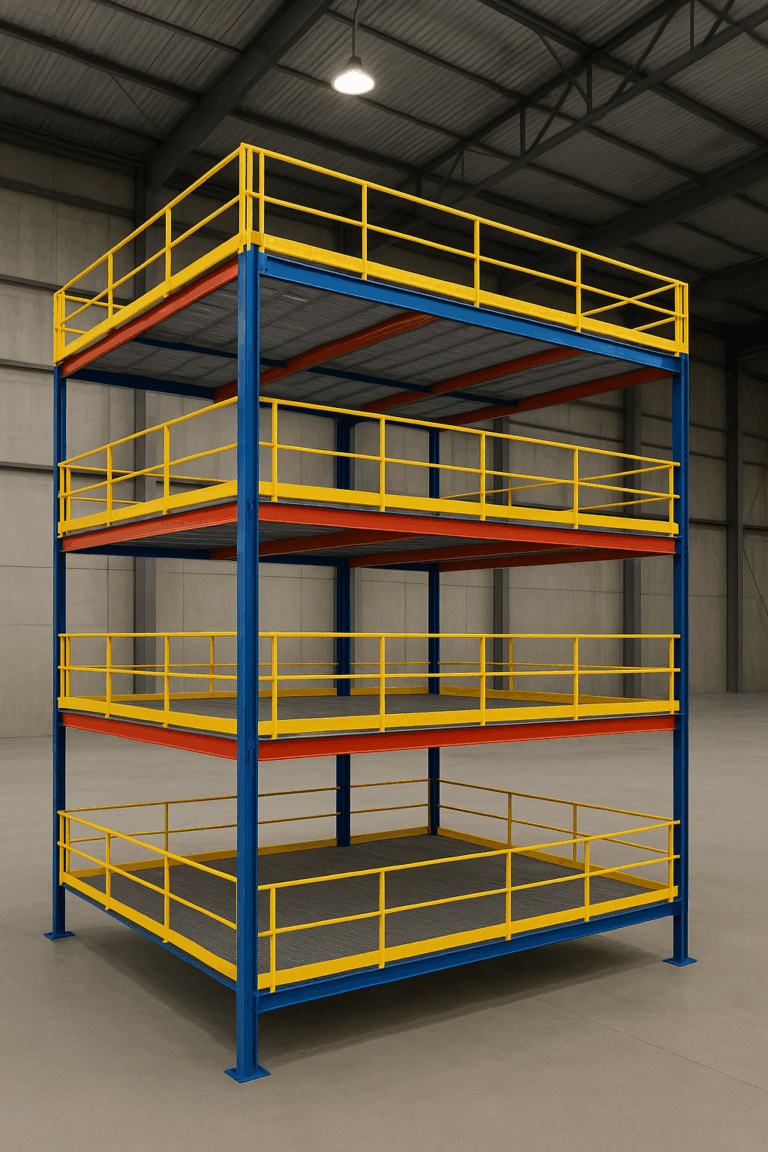
Grating refers to a framework of metal bars, usually made of steel, stainless steel, or galvanized iron, designed to create strong and durable flooring or covering. It is commonly used in walkways, platforms, drainage covers, stair treads, and industrial flooring.
Grating is known for its strength, durability, and ability to handle heavy loads. It provides a non-slip surface, making it ideal for factories, warehouses, and construction areas where safety is a priority. Additionally, grating allows air, light, and water to pass through, making it an excellent solution for drainage systems and ventilation platforms.
Galvanized grating is especially popular due to its resistance to corrosion and rust. It performs well in outdoor environments, chemical plants, and coastal areas where moisture exposure is high.
Importance of Grading and Grating in Construction
Grading and grating work together to create safe and functional environments. Proper grading ensures that the foundation is stable and level, while grating provides durable surfaces for movement and operations. These solutions are widely used in:
- Industrial plants and factories
- Warehouses and logistics facilities
- Commercial buildings
- Construction sites
- Drainage systems and walkways
- Parking areas and service platforms
By combining grading and grating, businesses can improve operational efficiency, enhance safety, and extend the life of infrastructure.
Benefits of Grading
- Improved Drainage: Prevents water accumulation and structural damage.
- Enhanced Stability: Provides a solid base for construction and heavy equipment.
- Long-Term Durability: Reduces cracks, erosion, and surface damage.
- Better Safety: Minimizes uneven surfaces and hazards.
- Efficient Land Use: Supports landscaping and development projects.
Benefits of Grating
- High Load Capacity: Suitable for heavy-duty industrial use.
- Slip Resistance: Ensures safe movement in wet or oily conditions.
- Corrosion Resistance: Especially in galvanized or stainless steel options.
- Low Maintenance: Requires minimal upkeep compared to solid flooring.
- Versatile Applications: Ideal for walkways, drainage, platforms, and more.
Applications Across Industries
Grading and grating are widely used across multiple industries. In manufacturing facilities, grating provides safe flooring around machinery and production lines. In oil and gas plants, it allows proper drainage and reduces slip risks. In commercial buildings, it is used for staircases, parking areas, and service walkways.
In construction projects, grading prepares the land for foundations, roads, and landscaping. It ensures that structures remain stable and protected from water-related damage. Infrastructure projects such as bridges, highways, and industrial parks rely heavily on proper grading and durable grating systems.
Choosing the Right Grading and Grating Solution
Selecting the right grading and grating depends on the project requirements. Factors such as load capacity, environmental conditions, material type, and installation area must be considered. For outdoor use, galvanized steel grating is often preferred due to its resistance to rust and weather conditions. For hygienic environments, stainless steel grating is commonly used.
Professional installation is equally important. Proper grading must be carried out before laying foundations or flooring, while grating should be installed with accurate measurements and support structures to ensure maximum performance and safety.
Future of Grading and Grating Solutions
With rapid industrialization and infrastructure development, the demand for high-quality grading and grating solutions continues to grow. Modern technology has introduced advanced materials and designs that improve durability, safety, and efficiency. Sustainable practices and innovative engineering are also shaping the future of these essential construction components.
Conclusion
Grading and grating are fundamental elements in construction, industrial operations, and infrastructure projects. They ensure safety, stability, and proper functionality in various environments. From preparing land surfaces to installing durable flooring systems, these solutions provide long-term benefits for businesses and developers.
Investing in quality grading and grating enhances safety, improves drainage, supports heavy loads, and ensures reliable performance for years to come. Whether for industrial, commercial, or construction use, these systems remain essential for building strong and efficient spaces.