
Temporary Construction Boundary Fencing in Abu Dhabi, whether it’s a small villa renovation or a massive infrastructure development, faces the same fundamental challenge before the first brick is laid: securing the site. Temporary construction boundary fencing has become the unsung hero of the region’s booming construction industry, quietly doing the essential work of protecting workers, pedestrians, equipment, and materials from the chaos that naturally surrounds any building site.
Why Boundary Fencing in Abu Dhabi Matters More Than Ever
Abu Dhabi’s skyline is constantly evolving. New residential towers, commercial complexes, and public infrastructure projects pop up across the emirate on a regular basis. With this growth comes an increased responsibility for contractors and site managers to maintain safe, secure, and compliant work environments. Municipal regulations in Abu Dhabi are strict about site enclosure, and for good reason. Unsecured construction zones pose serious risks: unauthorized entry, theft of tools and materials, accidents involving curious passersby, and even liability issues that can shut down a project entirely.
Temporary boundary fencing solves these problems in a straightforward way. It creates a clear, visible perimeter that separates the construction zone from public areas, signaling to everyone nearby that this space is active, potentially hazardous, and off-limits without authorization.
The Demands of the Boundary Fencing in Abu Dhabi Climate
Temporary Construction Boundary Fencing in Abu Dhabi What makes fencing solutions in Abu Dhabi particularly important is the environment they need to withstand. The region experiences intense heat for much of the year, occasional sandstorms, high humidity near the coast, and strong winds that can test the structural integrity of any temporary installation. A flimsy fence isn’t just an inconvenience here; it’s a genuine safety hazard. Panels that collapse in high winds or corrode under humid conditions can expose a site to the very risks the fencing was meant to prevent.
This is why quality matters so much when selecting a fencing supplier. The best temporary fencing systems used across Abu Dhabi are built from galvanized steel or powder-coated materials designed specifically to resist rust, UV degradation, and physical impact. Heavy-duty base blocks, usually filled with concrete or water, anchor the panels firmly to the ground, preventing them from toppling even during sudden gusts common during the shamal wind season.
Types of Temporary Boundary Fencing in Abu Dhabi Commonly Used
Contractors in Abu Dhabi typically choose from a handful of fencing styles depending on the nature and duration of their project:
Chain-link mesh fencing remains one of the most economical and widely used options. It offers decent visibility while still creating a physical barrier, making it suitable for sites where airflow and sightlines matter less than basic containment.
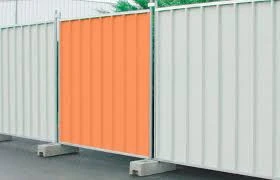
Corrugated metal hoarding is popular for projects located along busy roads or near public foot traffic. These solid panels not only block dust and debris from escaping the site but also offer a clean, professional appearance that many developers prefer for high-visibility projects in prominent areas.
Temporary chain-link panels with wind mesh add an extra layer of dust and sand control, which is particularly valuable in Abu Dhabi given the frequency of windblown sand affecting surrounding streets and neighboring properties.
Anti-climb fencing is often specified for sites near schools, residential communities, or areas with higher foot traffic, adding a security dimension beyond simple visual separation.
Compliance and Safety Standards
Temporary Construction Boundary Fencing in Abu Dhabi municipal authorities, including the Department of Municipalities and Transport, enforce specific guidelines regarding site hoarding height, signage, lighting, and setback distances from public roads. Reputable fencing suppliers understand these requirements intimately and can help contractors avoid costly delays or fines that come from non-compliant installations. Proper fencing setups also typically include reflective safety markings, warning signage, and adequate nighttime visibility features, all of which are frequently mandated for approval before construction can proceed.
Flexibility and Temporary Construction Boundary Fencing in Abu Dhabi Cost Efficiency
One of the greatest advantages of temporary fencing is exactly what the name suggests: it’s temporary. Unlike permanent walls or barriers, these systems can be installed quickly, reconfigured as the project evolves, and removed entirely once construction wraps up. This flexibility translates directly into cost savings. Rental options are widely available across Abu Dhabi, allowing contractors to scale their fencing needs up or down based on project phases without committing to expensive permanent installations.
Many suppliers also offer installation and dismantling services, which further reduces the burden on site management teams. Instead of allocating internal labor to handle fencing logistics, contractors can rely on specialists who understand the fastest and safest ways to erect a secure perimeter.
Choosing the Right Supplier
When selecting a Temporary Construction Boundary Fencing in Abu Dhabi, it pays to look beyond price alone. Consider the supplier’s track record with similar projects, the condition and age of their fencing stock, their responsiveness to urgent requests, and whether they offer additional services like debris netting, safety signage, or gate installations for site access control.
Final Thoughts
Temporary construction boundary fencing might seem like a small detail in the grand scope of a construction project, but its role in protecting people, property, and progress cannot be overstated. In a city like Abu Dhabi, where construction activity shows no signs of slowing down, investing in strong, durable, and compliant fencing solutions isn’t just a regulatory checkbox. It’s a practical decision that protects everyone connected to the project, from the workers on-site to the pedestrians walking by each day.